-
1st Floor, No.89 Maqian Road, Sanxiang Town, Zhongshan City

Lightweight RV Sinks To Reduce Vehicle Weight
If your RV could talk, it would probably mumble every time you toss in “just one more” thing before a trip. Under the cozy decor and fairy lights, it’s still a vehicle, and it feels every extra bit of weight you ask it to carry.
Most owners think first about tanks, tools, bikes, maybe that second grill. But there’s a quieter, more sneaky source of weight inside: the kitchen and bathroom fixtures, especially the sink. In a house, a heavy sink is just… a sink. In an RV, it’s part of the load your engine has to pull and your brakes have to control on every hill.
This article dives deep into why lightweight RV sinks matter, how they help reduce overall vehicle weight, and how to choose a sink that really fits RV life without making you feel like you’re “downgrading” your home on wheels.
Table of Contents
Why RV Weight Matters More Than Many People Think
Your RV is a moving compromise between comfort and mass. The more stuff (and heavier stuff) you put in it, the more energy it needs to move and the harder it is to keep everything under control.
Extra weight affects:
- How quickly you can accelerate and merge into traffic
- How stable the rig feels in crosswinds or when a truck blasts past
- How hard your braking system has to work on long descents
- How close you get to your rated weight limits
Once the frame, axles, and body are built, you can’t really change those. But you can make smarter choices for the interior. That’s where lightweight RV sinks come in: they are one of those quiet upgrades that nibble down your total weight without making life less comfortable.
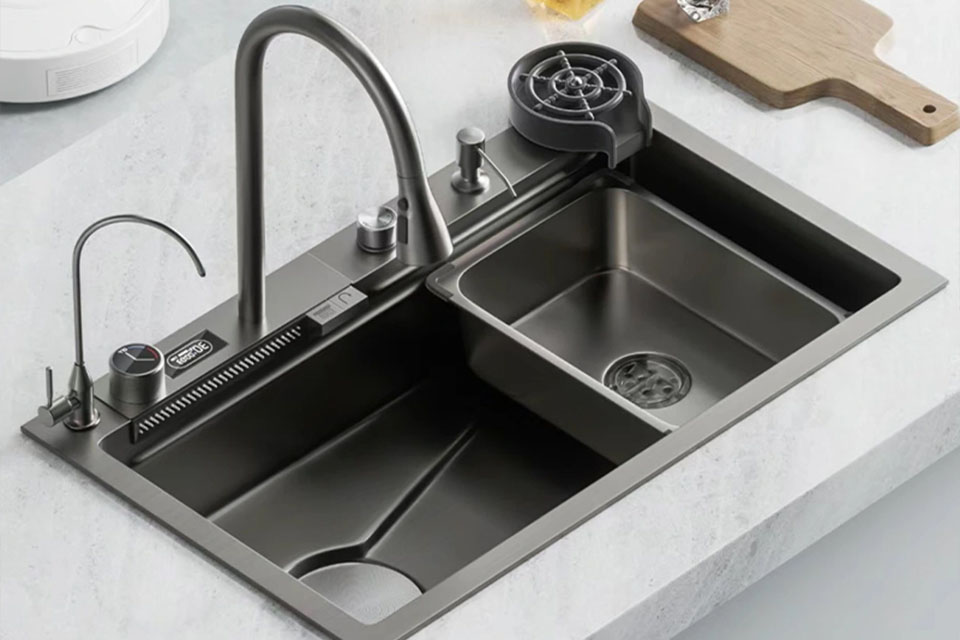
Where The Hidden Weight Hides Inside Your RV
You already know water, batteries, and gear are heavy. But built-in components add up too:
- Kitchen sink and faucet
- Bathroom sink or vanity basin
- Countertops and the structure that supports them
Some older rigs, or DIY conversions, end up with full residential sinks that were never designed with a moving vehicle in mind. Thick bowls, large rims, even heavy double basins – they all look nice but make the RV work harder than it needs to.
Replacing a house-style unit with a purpose-built RV sink can remove a surprising chunk of “always there” weight. You don’t have to sacrifice style or strength to do that; you just need a smarter design.
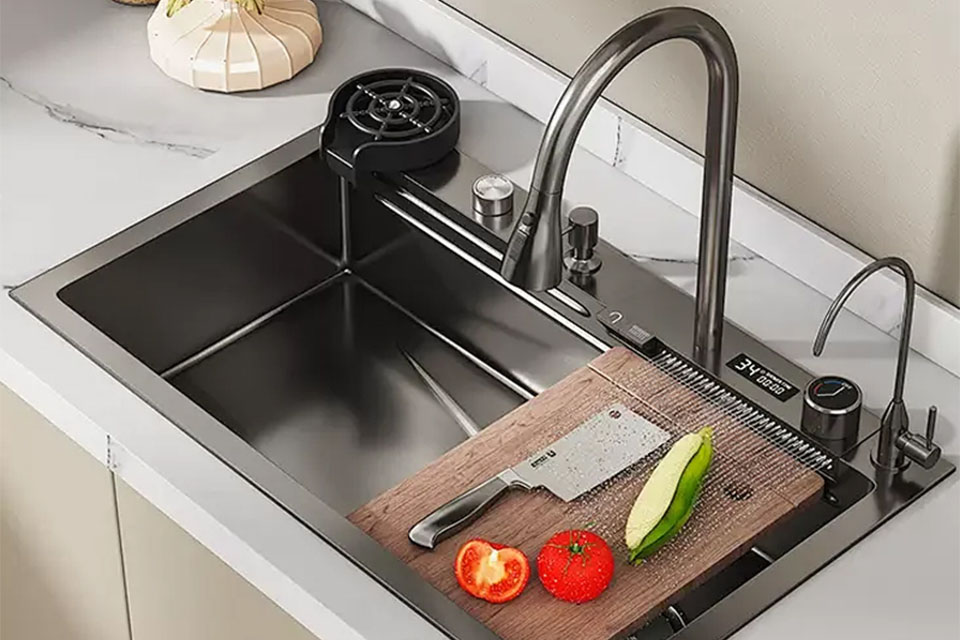
What Makes A Sink Truly “Lightweight” For RV Use
A real lightweight RV sink is not just “thin metal.” It’s a mix of good material science, clever geometry, and RV-specific practicality.
1. The Material: Why 304 Stainless Steel Is A Sweet Spot
A lot of serious RV sinks are made from 304 stainless steel. That material hits a nice balance:
- Strong enough to handle daily use and a few clumsy pan drops
- Resistant to common kitchen stains and normal fresh-water environments
- Can be formed into deep bowls and clean corners without cracking
Because 304 stainless has good strength, the walls don’t need to be over-thick to feel solid. That means less metal, less mass, and still a very solid feel under your hands.
If you want a practical, compact option, a model like a 304 stainless steel single bowl RV kitchen sink with faucet uses this material to keep things both durable and efficient in weight.
2. Shape, Depth, And Gauge
Two sinks made from the same metal can still have very different weight. The reason is simple: geometry.
- Very deep bowls use more metal than medium-depth ones
- Big decorative rims eat up material without helping you wash dishes
- Overly thick metal gauge might look “indestructible” but can be more than you really need in an RV
Well-designed lightweight RV sinks use just enough depth for everyday pots and plates, while keeping the profile slim. For very compact layouts, a small basin such as a small stainless steel caravan and camper RV kitchen bowl sink is enough for real cooking but doesn’t dominate the countertop or your payload.
3. RV-Specific Features Without Extra Bulk
A good RV sink is not only light; it also behaves well in a rolling tiny home. That means:
- Mounting that works with thin, lightweight countertops
- Basin shapes that fit shallow cabinets
- Accessories that add function without adding much mass
For example, a stainless steel RV workstation sink with folding faucet folds down when you’re driving, then pops up into a fully functional prep and wash area at camp. You get flexibility and workspace, not a giant heavy block of metal.
If you like modern dark finishes, a black rectangular RV single bowl stainless kitchen sink gives that residential look in a tight footprint that still respects RV weight and space limits.
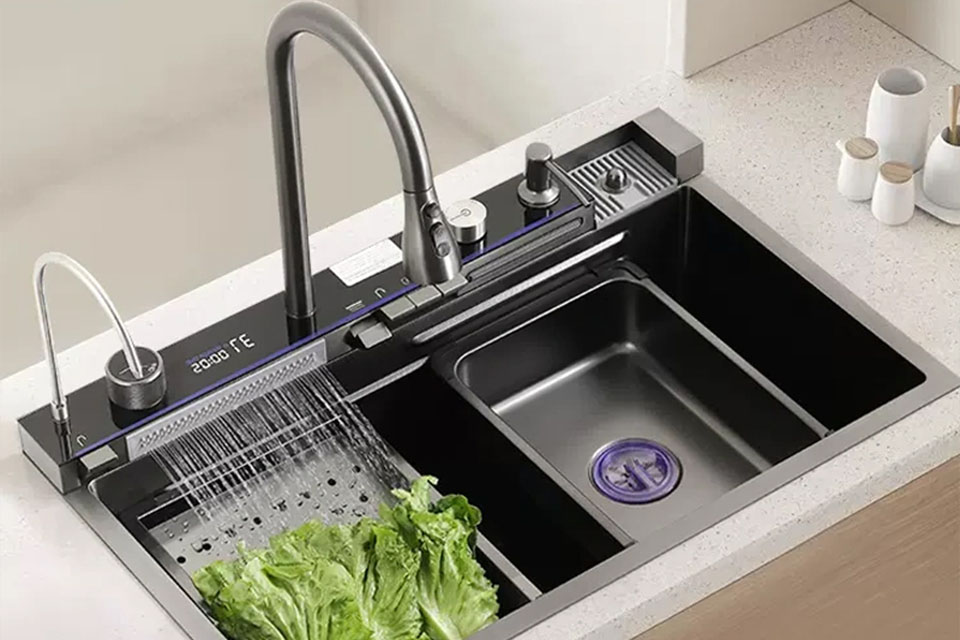
How Lightweight RV Sinks Actually Help Reduce Vehicle Weight
It’s easy to think, “It’s just a sink, how much can that really do?” The answer is: by itself, not everything – but combined with other smart choices, it adds up.
Small Changes, Big Picture
RV builders and designers have been moving toward lighter construction in general: composite wall panels, advanced insulation, and smarter framing. A sink is part of that same philosophy.
When you replace a heavy house-style basin with a lighter stainless RV sink, then later choose a lighter faucet, and maybe a more efficient countertop, you’re slowly trimming permanent weight from the coach. You don’t need complex calculation to feel the difference; the rig just starts to feel less stubborn when you accelerate or climb.
Handling, Braking, And Driver Fatigue
Less weight means there is less momentum to control. When your interior components – including sinks and cabinets – stay within sensible weight, your RV can feel:
- Calmer in side winds
- Less “wobbly” over uneven surfaces
- A bit more confident when braking or cornering
You might not be able to point at the sink and say, “that’s why it drives nice,” but the sink is part of the system. Every time you choose a lighter component, you make life easier for your suspension and brakes.
Extra Payload For Things You Actually Use
Your RV has a weight rating, and you probably like to stay well under it. If your built-in fixtures are lighter, you have more room in that rating for the stuff that brings joy:
- Extra food and water for boondocking
- Outdoor furniture or a shade shelter
- Sports gear, tools, and the random little things that “somehow” always come along
A lighter sink won’t magically give you unlimited payload, but it does free up some breathing space.
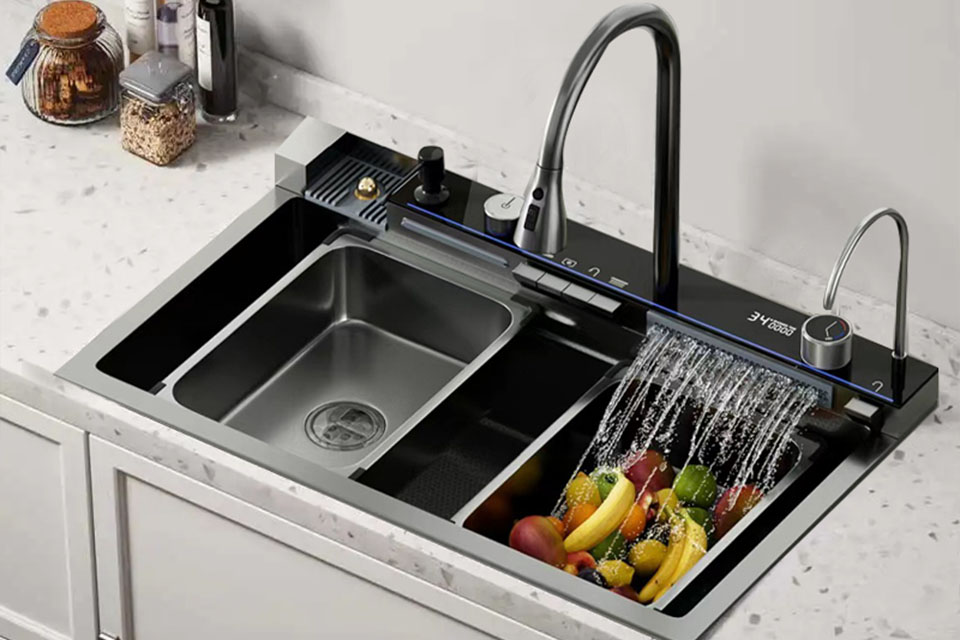
Key Features To Look For In A Lightweight RV Sink
When you start browsing products, it’s easy to get overwhelmed. Use these simple points to filter the options.
1. Designed For RVs, Not Just A Small House Sink
Small bar or prep sinks made for houses can fit into RV cutouts, but they are not always optimized for thin countertops or compact cabinets. RV-specific sinks will usually call out camper, caravan, or motorhome use in their description.
Examples include:
- The fold-down design of the RV workstation sink with folding faucet, created around tight galley layouts
- Compact bowl shapes like the small caravan and camper RV kitchen bowl sink that really understand narrow counters and cabinets
These models are also thought through for moving vehicles, not only static kitchens.
2. 304 Stainless Steel Construction
Because of its strength and corrosion resistance, 304 stainless steel is a very common choice for serious kitchen sinks. For RV use, it gives you:
- Solid, non-flimsy feel even with moderate wall thickness
- Smooth, hygienic surfaces that clean up quickly
- Good long-term performance with normal fresh water and everyday detergents
If you want a slightly more generous basin but still care about weight, a large capacity stainless steel oval camper RV sink uses 304 stainless to balance size and mass in a long-trip-friendly way.
3. Single Bowl Layout For Most Rigs
In a sticks-and-bricks home, people love double bowl sinks. In an RV, they often waste precious space and add unnecessary metal.
Single bowl RV sinks:
- Use less material
- Are easier to integrate with small countertops
- Make washing large pans or pots more realistic in a tight space
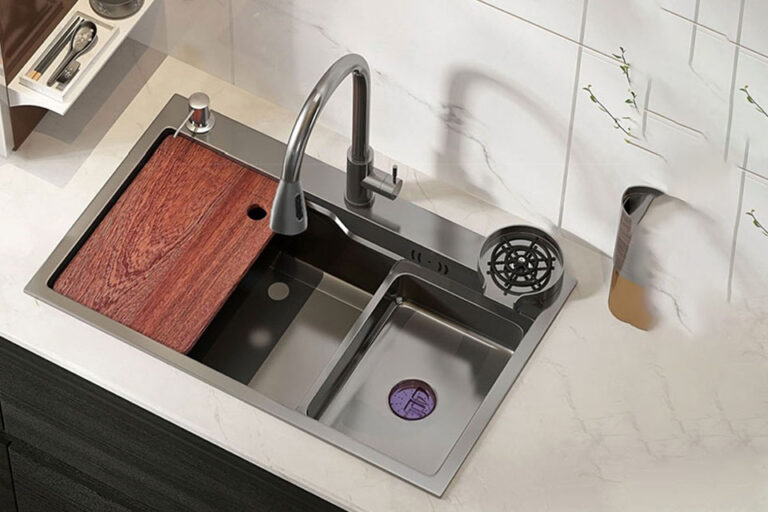
For extra function, you can pick a workstation-style model like a stainless steel undermount workstation RV kitchen sink. It adds ledges, boards, and racks so one bowl behaves like a tiny kitchen station, without turning into a giant weight anchor.
4. Workstation And Prep Add-Ons
Because counter space in an RV is always limited, workstation sinks are a clever way to “expand” your galley without making the sink physically huge.
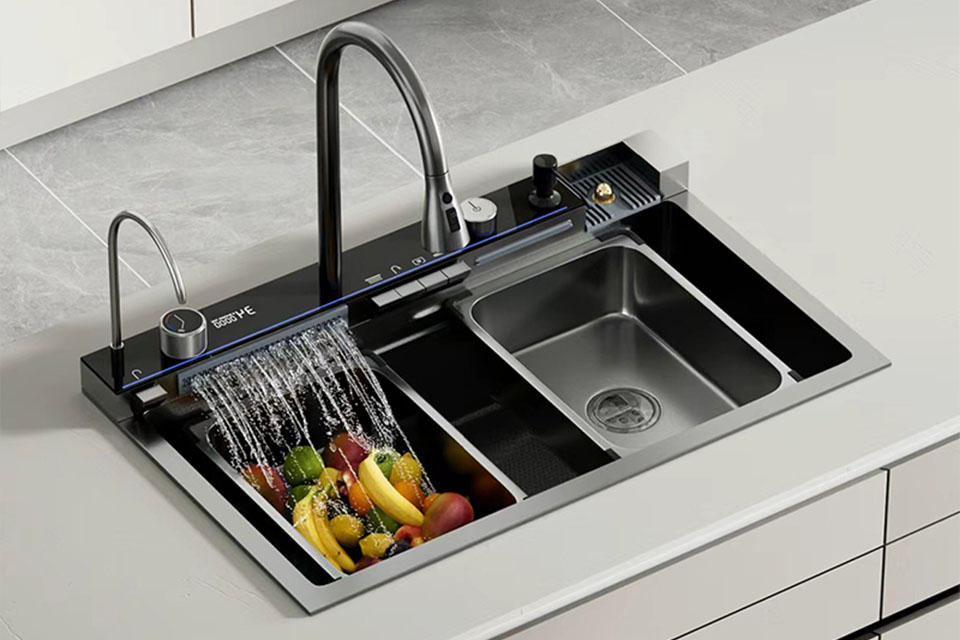
A compact prep basin such as a 304 stainless steel RV bar prep workstation sink with grid lets you:
- Rinse vegetables and fruit
- Drain pasta or wash cups
- Use the included grid as a mini drying rack
This kind of design is ideal for outdoor kitchens or as a second prep zone near the main galley.
Example Lightweight Sink Setups For Different RV Styles
Different rigs and travel habits call for slightly different sink strategies. Here are a few example combos.
Weekend Van Or Micro-Camper
If you usually travel alone or as a couple, and cook simple meals:
- Main galley: a small stainless steel caravan and camper RV kitchen bowl sink is enough for basic washing
- Optional workstation: a cutting board that sits over the bowl or a roll-up rack
This setup keeps the van feeling open and light, and it don’t force you to give up half the counter to the sink.
Family Travel Trailer
With a family, you probably cook more and use more dishes:
- Inside: choose an undermount workstation RV kitchen sink with ledges for boards and colanders
- Outside: add a small bar prep workstation sink in an outdoor kitchen module
Now different people can work in different zones, and you’re still keeping your fixtures relatively light compared to big house sinks.
Full-Time Or Long-Trip Travelers
For full-timers or long-trip adventurers, you might want a sink that feels almost like home but still respects weight:
- Main galley: a large capacity stainless steel oval camper RV sink to make everyday dish duty less frustrating
- Secondary zone: a flexible RV workstation sink with folding faucet for extra prep, utility cleaning, or outdoor cooking
This gives you proper “house kitchen” feeling without dragging around unnecessarily heavy fixtures.
How To Upgrade Your RV Sink Without A Headache
If you’re thinking, “This all sounds nice, but I’m not a plumber,” don’t panic. Upgrading to a lightweight sink is usually manageable if you take it step by step.
Step 1: Measure Carefully
Measure:
- The cutout in the countertop, not only the top rim
- The depth inside the cabinet
- Any nearby obstacles like drawers or doors
RV countertops are often thinner and less stiff than home counters, so accurate measurement really matters here.
Step 2: Choose Mounting Style
Common choices are:
- Drop-in (topmount): easier for most DIY installs
- Undermount: cleaner look, especially for workstation designs, but needs good support
Many RV-specific sinks, including that undermount workstation RV kitchen sink, are designed with lightweight tops in mind, so they don’t demand a massive slab to hold them.
Step 3: Plan Simple, Flexible Plumbing
Use flexible hoses where possible, keep traps and fittings compact, and avoid super tight bends. Your RV moves and flexes, and the plumbing needs a bit of forgiveness so it doesn’t start leaking after a few rough roads.
Step 4: Test Fit And Check Weight By Feel
When you take the old sink out and lift the new one, you often notice right away that the modern stainless RV sink is easier to handle. You don’t need numbers to see which one your arms prefer.
Step 5: Re-Check After A Few Trips
After a handful of journeys, look under the cabinet again:
- Are the mounting clips still tight?
- Any sign of water where it shouldn’t be?
- Does anything rattle when you tap around the plumbing?
Catching little issues early keeps your lightweight upgrade feeling solid and confidence-worthy.
Why Brand And Internal Choices Matter For The Long Run
When you pick a sink, you’re not just buying a metal bowl. You’re deciding a small but permanent piece of your interior architecture. It should match your weight goals, your style, and your way of traveling.
Exploring a focused collection like the one on the SUSINKS homepage helps keep everything consistent: material, finish, and RV-aware design. From there you can mix and match:
- A main single bowl RV kitchen sink with faucet for everyday cooking
- A compact black rectangular RV sink for a stylish secondary galley
- A bar prep workstation sink for outdoor or entertainment areas
Everything stays in the same design language and material family, so your RV feels like one coherent space, not a random mix of whatever happened to be on sale.
Final Thoughts: Let Your RV Breathe
Lightweight RV sinks don’t shout for attention. They don’t blink or beep, and nobody in the campground is going to walk over just to admire your basin (well, maybe one or two kitchen nerds). But they are part of how your RV breathes on the road.
By choosing:
- 304 stainless steel over clumsy heavy materials
- Single-bowl, RV-appropriate layouts
- Workstation designs that add function instead of bulk
- Models from a focused sink specialist like SUSINKS
you quietly lower your vehicle weight, free up a bit of payload, and make your rolling kitchen easier to live with day after day.
Your RV might not actually say “thank you,” but the slightly smoother drive, calmer handling, and less-stressed feeling you get behind the wheel will be kind of its way of whispering it back to you.

Stainless Steel Sinks Manufacturer
Leading Chinese stainless steel sink maker for kitchen, bathroom, bar and RV; premium single & double bowls, OEM/ODM services for clients and brands worldwide!
Quick Links
Products
Contact
© 2025 China Kitchen Sink | Stainless Steel Sinks Manufacturer