-
1st Floor, No.89 Maqian Road, Sanxiang Town, Zhongshan City

How to Unclog Your Kitchen Sink: The Ultimate Guide
A clogged kitchen sink feels small, but it can stop the whole kitchen. Dishes pile up, food prep slows down, and if you manage rentals or online orders, customer mood goes down very quick.
Let’s walk through simple, real steps you can use. We’ll start with why the drain clogs, then go method by method so you know what to try first, and when to call in a pro. I’ll also show where a good stainless steel sink design from SUSINKS helps reduce these problems long term.
Table of Contents
Kitchen Sink Clog Causes
If you know what is inside the pipe, it’s much easier to choose the right fix.
Common kitchen sink drain clog causes:
- Grease and oil that cool down and stick on the pipe wall
- Food scraps like rice, pasta, coffee grounds, veggie peels
- Soap scum mixed with hard water minerals
- Small foreign objects, like a plastic tag or broken sponge
- Poor under-sink pipe layout or not enough slope
In real life, it usually looks like this: someone pours hot oil into the sink and thinks “it’s liquid, it will go away”. Later it cools, turns to sticky fat, and then every small food piece glues on it. After some weeks, the drain is almost half blocked.
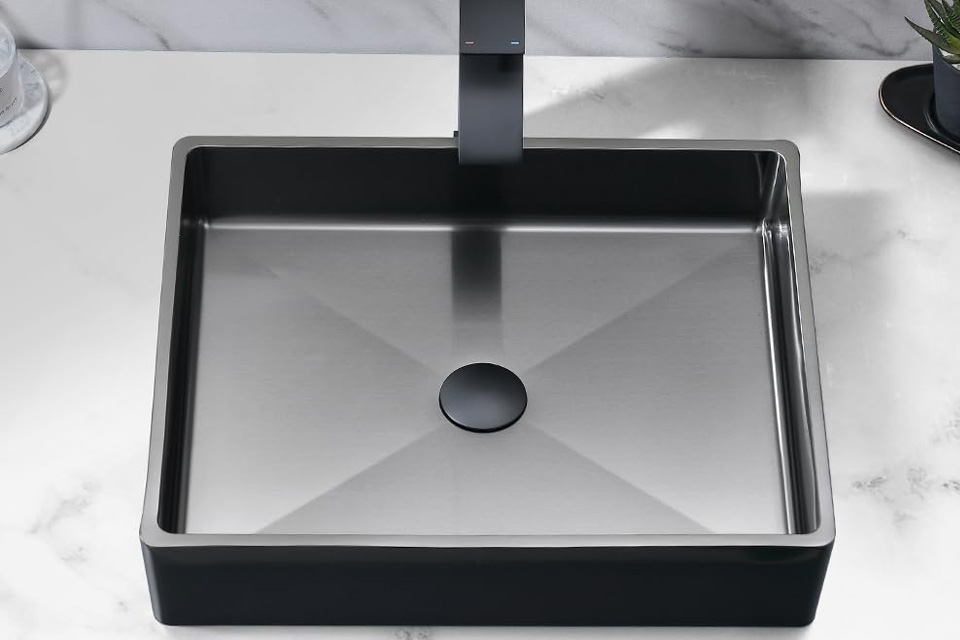
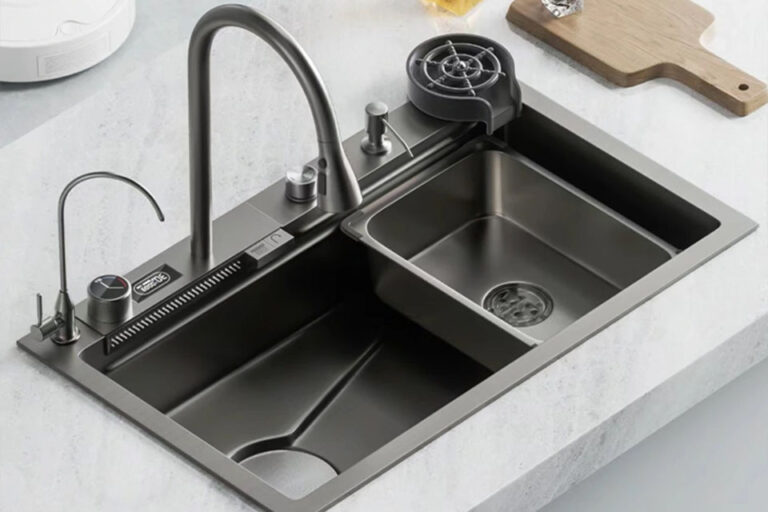
The bowl design also matters. A smooth stainless steel kitchen sink with proper bottom slope and neat corner radius helps water and food move straight to the drain instead of sitting in dead corners.
Early Signs of a Kitchen Sink Drain Clog
The drain normally doesn’t jump from “perfect” to “totally dead” in one day. It gives you warning signs.
Watch for these:
- Water draining slower and slower
- Gurgling sounds when water goes down
- Bad smell from the drain area
- Water backing up into the second bowl on a double sink
- Dishwasher runs and dirty water comes back into the sink
If you are a retailer or wholesaler working with SUSINKS, this kind of feedback from your end users is also real data. It can guide you when you choose deeper bowls, double bowls, or compact models for your catalog on the products page.
DIY Methods to Unclog a Kitchen Sink
You don’t need to start with strong chemicals. It’s better to go step by step, from gentle to stronger.
Boiling Water for Kitchen Sink Clogs
This is the easiest and fastest way for light grease and soap film.
- Remove as much standing water as you can using a cup.
- Boil a full kettle or pot of water.
- Pour it slowly into the drain in 2–3 rounds.
- Wait a little, then test if the drain gets faster.
Boiling water softens fat and pushes it further down the line. For busy homes and rentals using an undermount double bowl stainless steel kitchen sink, this can be a simple weekly routine.
Just be a bit careful if the building has very thin plastic drain pipes. Too much very hot water all the time is not so nice for them.
Baking Soda and Vinegar for Kitchen Sink Odors
This trick is great for sink smell and soft organic gunk.
- Pour about half a cup of baking soda into the drain.
- Add about half a cup of white vinegar.
- You’ll hear fizzing. Cover the drain and wait 15–30 minutes.
- Flush with hot water.
This combo helps break down sludge and neutralize odor. It’s also friendly for the surface of bowls like the undermount single bowl 18 gauge stainless steel kitchen sink. No harsh chemical smell, no strong fumes.
Using a Plunger on a Kitchen Sink Drain
If the sink is full and water doesn’t move, a plunger is your next step.
- For a double bowl sink, plug the other bowl’s drain with a wet cloth or stopper.
- Place the plunger over the clogged drain and get a tight seal.
- Add some water so the rubber cup is covered.
- Pump up and down for 15–20 seconds with steady force.
- Lift the plunger and see if the water suddenly rushes down.
This works best when the clog sits near the top of the drain. The key thing is the seal. If air leaks in, you just splash water and your arms get tired.
Cleaning the P-Trap and Using a Drain Snake
Now we move into more “maintenance tech” level. We talk about the P-trap (that U-shaped pipe) and the snake (hand auger).
P-trap cleaning
- Put a bucket under the U-shaped pipe under your sink.
- Loosen the plastic or metal nuts slowly by hand or with adjustable pliers.
- Take the trap off and empty the sludge and solid pieces into the bucket.
- Rinse it, reassemble it, and check for leaks when you run water again.
Drain snake for deeper kitchen sink clogs
- Feed the snake into the drain or into the pipe after the P-trap.
- Turn the handle until you feel resistance.
- Gently work through the clog, then pull the snake back.
- Flush the line with hot water.
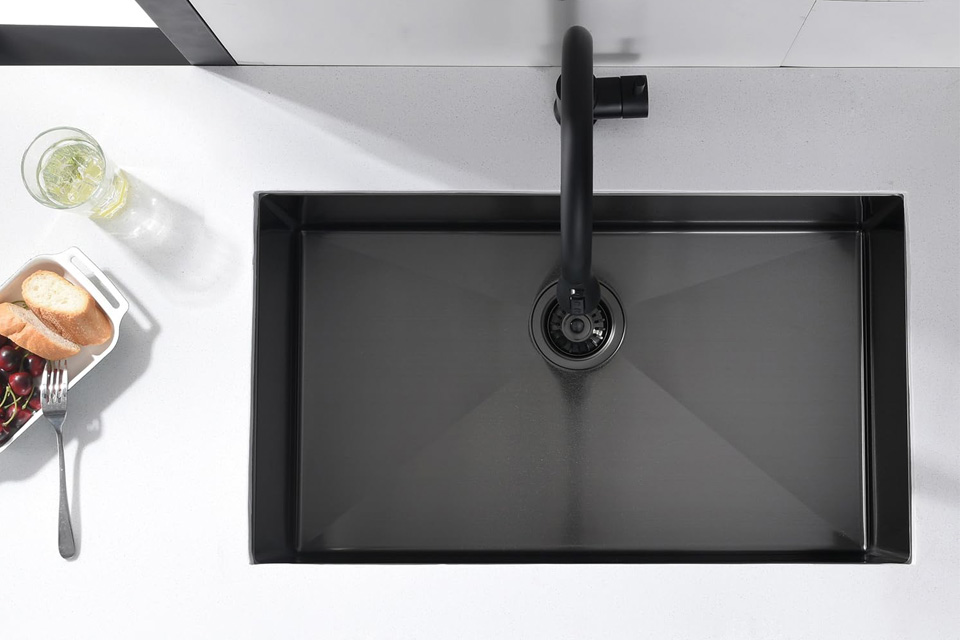
Good under-sink space makes this work much easier. When you plan projects with top mount stainless steel single bowl sinks or custom free standing commercial restaurant kitchen sinks, it’s smart to leave clear access for the P-trap and pipes. Your future maintenance team will thank you, even if they dont say it aloud.
Comparison of Kitchen Sink Unclogging Methods
Here’s a simple table you can share with tenants, staff, or your customers as a small “how to” guide.
| Method | Best Situation | Effort Level | Typical Success for Light Clogs* |
|---|---|---|---|
| Boiling water | Light grease, slow kitchen sink drain | Low | ~60–70% |
| Baking soda + vinegar | Odor, soft sludge in kitchen sink drain | Low | ~50–60% |
| Plunger | Standing water, clog near drain opening | Medium | ~60–80% |
| P-trap cleaning | Solid stuff caught in U-bend | Medium–High | Very high if clog is in trap |
| Drain snake | Deeper clog in kitchen drain line | High | High if used correctly |
*These are rough, real-life style numbers, not lab test data. They just help you compare methods, not promise a fixed result.
When to Avoid Chemical Drain Cleaners
Chemical drain cleaners feel strong and “pro”, but they do have real risk.
Reasons to keep them as a last choice:
- Strong formulas can damage old pipes and rubber seals.
- Mixing different cleaners by mistake can create bad fumes.
- If chemicals stay in the P-trap, they may corrode metal over time.
- People can splash them on skin or eyes during use.
From a B2B angle, this can also hit your brand. If a pipe fails after repeated heavy chemical use, some end users just blame “the sink system” instead of the product they poured in. Many partners working with our solution team now prefer to teach mechanical cleaning first and use chemical only when every other way fails.
Preventive Maintenance for Kitchen Sink Drains
The cheapest fix is the clog that never happens. A few simple habits plus good sink design reduce risk a lot.
Daily and weekly habits:
- Always use a sink strainer and empty it often.
- Wipe greasy pans with paper towel before washing.
- Do not pour cooking oil or big rice and noodle leftovers into the drain.
- Run hot water for 20–30 seconds after heavy washing.
- Use baking soda and vinegar once a week in very busy kitchens.
Design and product tips:
- Choose bowls with proper bottom slope and smart drain position.
- Match bowl depth to the real scene: main kitchen, bar, RV, staff pantry.
- Keep enough under-sink space for P-trap and pipe service.
When you plan your sink line with SUSINKS, you can mix different models from the products range for different scenes, then tell your buyers simple care tips in your own brand language.
When to Call a Professional Plumber
DIY is useful, but there is a clear point to stop.
Call a plumber when:
- You tried boiling water, baking soda + vinegar, and plunging, but nothing changed.
- More than one drain in the house or unit backs up at the same time.
- You hear gurgling in toilets or floor drains when the kitchen sink runs.
- Pipes under the sink are cracked, corroded, or already leaking.
A professional plumber brings camera tools, power augers, and local code knowledge. Sometimes the problem is not your sink at all, but the main line, tree roots, or bad pipe slope from the original build.
How SUSINKS Supports Your Kitchen Sink Projects
Unclogging is a short-term action. Long term, you want sinks that work smoothly and bring less “my sink is blocked again” calls.
SUSINKS is a top stainless steel sinks manufacturer in China with over 30 years of experience in sinks and faucets. We provide OEM and ODM service for:
- Retail brands and kitchen manufacturers
- Cross-border e-commerce and platform sellers
- Wholesalers, distributors, trading companies
- Design studios, contractors, and project teams
- Corporate buyers, purchasing and supply chain managers
Through our about us page and homepage, you can work with our team to set bowl size, thickness, finish, and accessories for your own market. With the right choice of models, like deep undermounts, double bowls, or compact sink options, your customers get kitchen sinks that drain well, clean easy, and stay out of trouble most of the time.

Stainless Steel Sinks Manufacturer
Leading Chinese stainless steel sink maker for kitchen, bathroom, bar and RV; premium single & double bowls, OEM/ODM services for clients and brands worldwide!
Quick Links
Products
Contact
© 2025 China Kitchen Sink | Stainless Steel Sinks Manufacturer