-
1st Floor, No.89 Maqian Road, Sanxiang Town, Zhongshan City

How to Clean Your Stainless Steel Sink Like a Pro
Let’s be honest. Most “sink problems” from end users are not product issues. They’re cleaning issues.
If you sell stainless steel sinks, do OEM/ODM projects, or manage sourcing, you’ve seen it: customer says the sink is “rusting”, but they leave water, salt and food in the bowl all day. So in this guide we talk like real people and explain how to clean a stainless steel sink in a simple, pro way you can share with your buyers.
We’ll also drop in some “factory language” like after-sales, claim rate, SKU, so you can use it directly in your B2B content for SUSINKS.
Table of Contents
Why Stainless Steel Sink Cleaning Matters for Your Customers
Stainless steel is strong, but it’s not magic. It still hates:
- Standing water
- Acidic food and salt
- Hard water spots
- Scratches from wrong tools
If users don’t clean it right, they see:
- White water marks
- Tea or coffee rings
- Tiny brown dots they call “rust”
- A dull surface that makes even a premium sink look cheap
For you, that means more after-sales emails, higher claim rate, and pressure on your QC team.
When you promote a model like double basin topmount stainless steel kitchen sinks vendor or foshan undermount double basin stainless steel kitchen sink, adding cleaning tips helps protect both your brand and your sink.
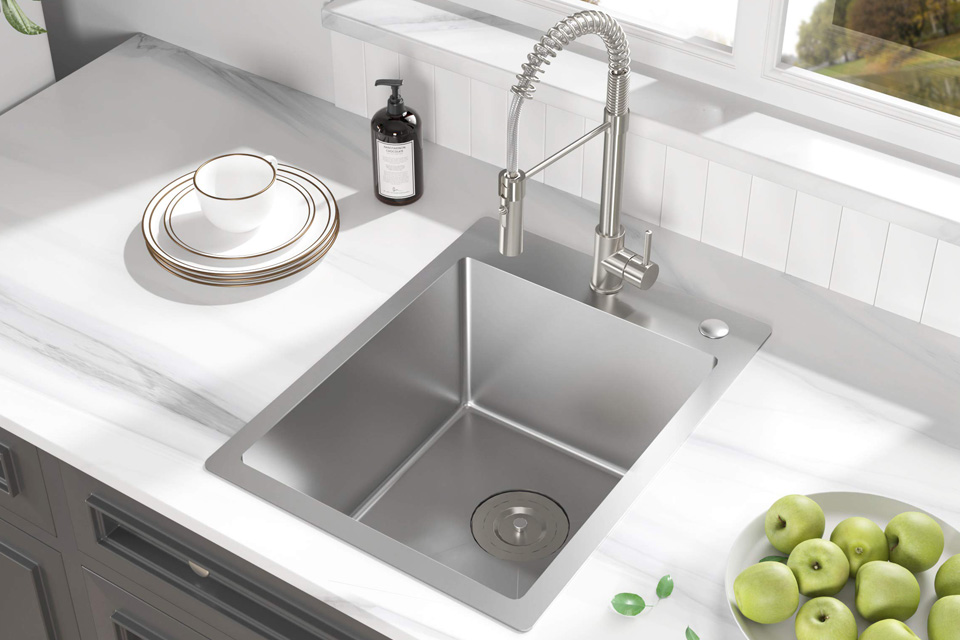
Daily Stainless Steel Sink Cleaning Routine
Think of daily care as a “reset” for the bowl. Quick, simple, easy for any end user to do.
Daily Stainless Steel Kitchen Sink Cleaning Steps
You can share this script with retail customers, project clients or platform buyers:
- Rinse with warm water After cooking or washing, rinse away food, oil, and soap foam. Don’t let them dry on the surface.
- Wash with mild dish soap Put a bit of dish liquid on a soft sponge. Wipe the full sink: bowl, corners, around the drain.
- Rinse again Remove all soap so there is no film.
- Dry with a soft cloth Use a microfiber cloth and wipe along the grain. This step looks small, but it really cuts water spots.
This daily routine works for many SKUs, from china drop in single basin stainless steel kitchen sink to compact bar sinks.
If you include this as a small card in the box, it already feels more “pro” to the user, even if the language is very simple.
Best Cleaning Products for Stainless Steel Sinks
Users often think they need very strong cleaner. In real life, that can damage the passive layer and create more problem later.
Here’s what usually works best:
- Warm water
- Mild dish detergent
- Baking soda (gentle scrub)
- White vinegar (for limescale and hard water)
- Soft sponge or non-scratch pad
- Microfiber cloth for drying and polishing
- Optional stainless steel cleaner for heavy marks
You can mention this in your content for wholesale undermount 16 gauge stainless steel bar prep sink or other prep/bar SKUs. It shows you understand real usage, not just thickness and 304 grade.
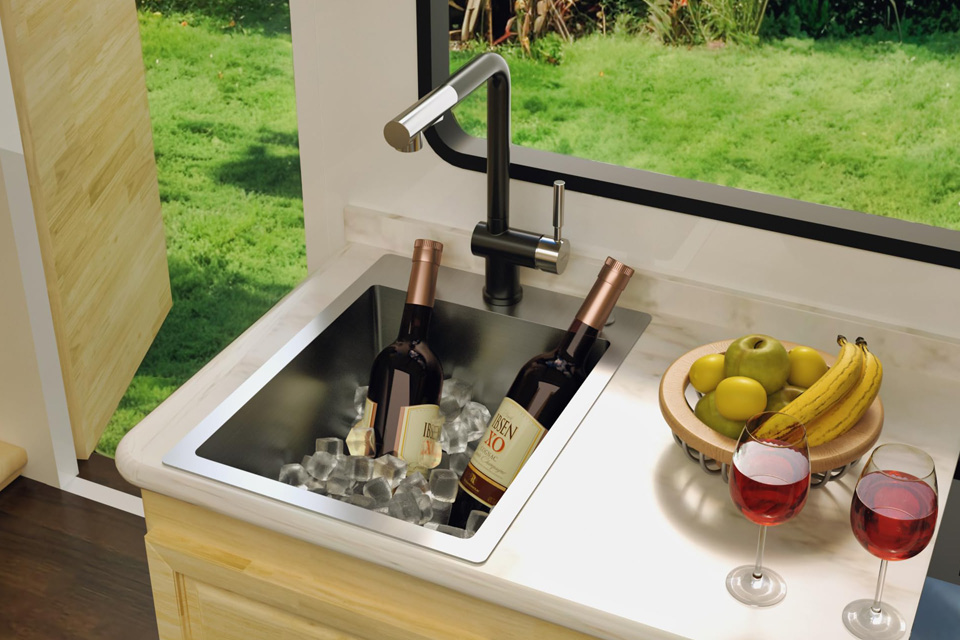
Weekly Deep Cleaning for Stainless Steel Kitchen Sinks
Daily care keeps things under control. Weekly deep clean makes the sink “showroom” again. It’s easy to explain and easy to follow.
Weekly Deep Cleaning Process for Stainless Steel Sinks
You can present the logic like this:
| Dirt level | How the sink looks | Cleaning method | Tools | Time |
|---|---|---|---|---|
| Light | A few spots, a bit dull | Dish soap wash + dry | Soap, sponge, cloth | ~5 min |
| Medium | Water spots, light film | Baking soda scrub + rinse + dry | Baking soda, sponge, cloth | ~10 min |
| Heavy | Limescale rings, cloudy | Baking soda + vinegar + scrub | Baking soda, vinegar, sponge | ~15 min |
| Tough | Old stains, tiny rust dots | Stainless steel cleaner + polish | Cleaner, soft cloth | ~20 min |
Basic deep clean steps:
- Rinse with warm water.
- Sprinkle baking soda on the wet surface.
- Scrub gently with a soft sponge along the grain.
- Rinse well.
- For scale or cloudy look, apply white vinegar, let it fizz a bit.
- Rinse again and dry with microfiber.
- If some marks stay, use stainless steel cleaner and polish lightly.
For visual sinks like best stainless steel farmhouse sink apron front kitchen sink, this weekly reset is key. These sinks sit right in the “face area” of the kitchen and show every mark on camera or live streaming.
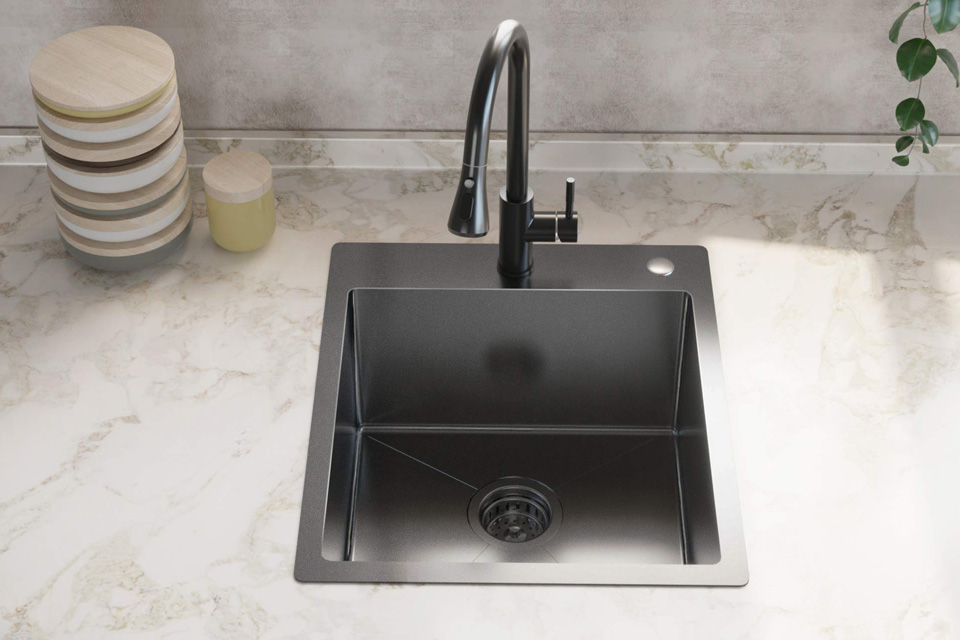
How to Remove Hard Water Stains and Rust Marks
Hard water is a classic pain point, especially for export markets. The sink is ok, but the water is “hard”. So teach end users a simple fix.
Hard Water Stain Removal for Stainless Steel Sinks
For white rings and cloudy film:
- Soak a cloth in white vinegar.
- Put it on the stain (near faucet, overflow, or drain).
- Leave it for 10–15 minutes.
- Wipe gently, rinse, and dry.
If the stain is old, just repeat. Don’t let the user attack it with a knife or steel wool. That makes scratches and the next stain comes faster.
Light Rust Mark Treatment on Stainless Steel Sinks
Many “rust” points are actually iron particles from pots or racks that sit on the surface.
- Mix baking soda with a bit of water to make a paste.
- Apply it on the dots.
- Wait a few minutes.
- Rub softly with a sponge along the grain.
- Rinse and dry.
- If needed, use stainless steel cleaner carefully.
You can add these two small flows into your manual for RV, bar, or commercial lines, for example with seamless drop-in commercial stainless steel kitchen sinks. It speaks directly to real site problems, not just catalog pictures.
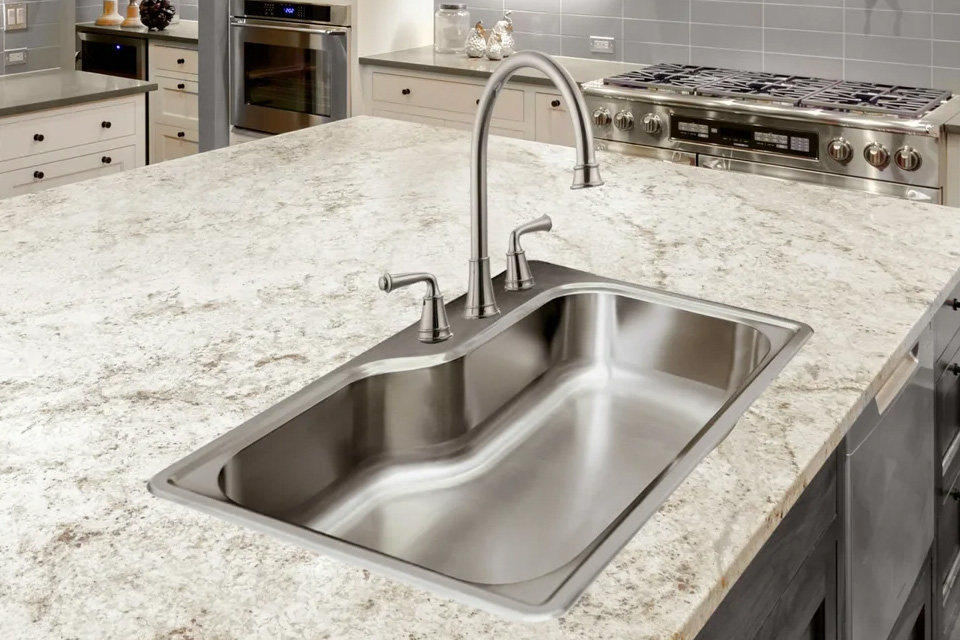
Common Stainless Steel Sink Cleaning Mistakes to Avoid
Here is where you protect your product from “fake” complaints. Put this list in simple English on your website and packing.
Tell users do not use:
- Steel wool, metal scourers, or very rough pads
- Bleach poured directly into the bowl and left there
- Strong oven cleaner or heavy glass cleaner on the sink
- Powder cleaners with large grit
- Long-term wet rubber mats, metal cans, or sponges sitting in the sink
- Food acid like lemon juice or pickle water left for hours
These things can damage the passive layer, cause scratches, and create discoloration. The user then thinks it’s material problem, but often it’s wrong cleaning method.
For high-end pieces like undermount single bowl 18 gauge stainless steel kitchen sink, this small “don’t” list is a low-cost way to protect your brand.
Pro Tips for B2B Buyers Working With SUSINKS
Now we talk from your side as buyer, retailer, brand owner, or sourcing manager.
SUSINKS is a Top Stainless Steel Sinks Manufacturer In China with around 30 years of sink and faucet experience, and supports OEM/ODM, custom size, and bulk orders. Cleaning is part of the full solution, not just an afterthought.
Here are some simple moves you can use:
- Add a one-page care guide for each SKU in your sink program.
- Put “How to clean your sink” as one H2 block in your product descriptions and landing pages.
- Use cleaning content to reduce after-sales cost and protect ratings on your online store.
- Ask for OEM printing of care icons or QR code on the box or manual.
- Train your sales team to say one simple line: “Rinse, mild soap, soft cloth, always dry.”
You can also link from a general care article to your main SUSINKS stainless steel sink products page and homepage SUSINKS to push internal traffic and show a complete sink ecosystem, not just single items.
With clear cleaning tips, a bit of industry slang, and real scenes from daily use, your content feels more human and less “robot”. More important, it helps your clients use their stainless steel sinks like a pro, and keeps your SUSINKS projects running smooth for the long term.

Stainless Steel Sinks Manufacturer
Leading Chinese stainless steel sink maker for kitchen, bathroom, bar and RV; premium single & double bowls, OEM/ODM services for clients and brands worldwide!
Quick Links
Products
Contact
© 2025 China Kitchen Sink | Stainless Steel Sinks Manufacturer