-
1st Floor, No.89 Maqian Road, Sanxiang Town, Zhongshan City

Which Stainless Steel Sink is Better: 18 Gauge or 20 Gauge
If you sell or source kitchen sinks, you hear this question all the time: should I choose an 18 gauge sink or a 20 gauge sink? On paper they look similar, but in real kitchen use, they feel quite different.
In this guide we’ll keep it simple, use real scenes from daily life and project work, and help you pick the right gauge for your brand, store, or next OEM order.
Table of Contents
18 Gauge vs 20 Gauge Stainless Steel Sink: Quick Comparison
First, a fast snapshot you can show to your team or client.
| Feature | 18 Gauge Stainless Steel Sink | 20 Gauge Stainless Steel Sink |
|---|---|---|
| Thickness (approx.) | Thicker, around 1.2–1.3 mm | Thinner, around 0.9–1.0 mm |
| Feel in daily use | More solid, less flex | Can flex a bit when you push on the bowl |
| Dent resistance | Better against dents and warping | Easier to dent with heavy pots or pans |
| Noise level | Quieter, less “ring” from water and dishes | Louder, more metal sound |
| Typical position in product ladder | Mid–high end series | Entry-level / builder grade series |
| Best scenarios | Main family kitchen, premium projects, long-term use | Guest kitchen, rentals, tight budget projects |
You can already see the pattern: 18 gauge is thicker, stronger, and quieter. 20 gauge is lighter and cheaper, but more basic.
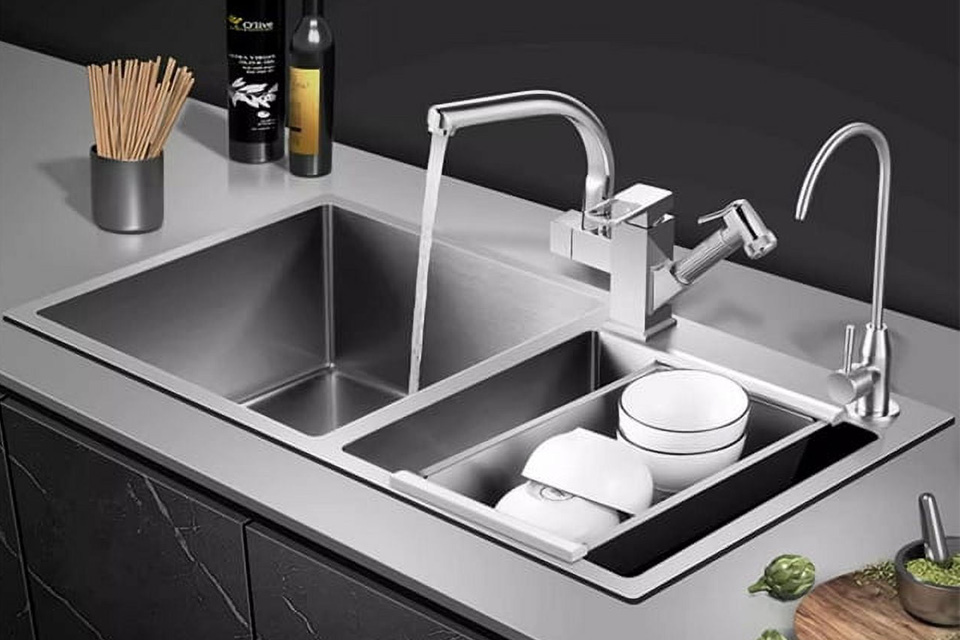
What Does Stainless Steel Sink Gauge Mean?
“Gauge” simply means how thick the stainless sheet is. The number looks a bit strange because the scale is reversed: the smaller the number, the thicker the steel.
So:
- 18 gauge = thicker stainless steel
- 20 gauge = thinner stainless steel
When you run a kitchen project with stone countertops and high-end faucets, you don’t want the sink to feel thin or “tinny”. That’s why many brands use 18 gauge or even 16 gauge in their hero SKUs.
On SUSINKS you can see this clearly in products like the undermount single bowl 18 gauge stainless steel kitchen sink and the wholesale undermount 16 gauge stainless steel bar prep sink. These are built for heavier use and more demanding buyers.
Pros and Cons of 18 Gauge Stainless Steel Kitchen Sinks
Key benefits of 18 gauge stainless steel sinks
For most professional buyers, 18 gauge stainless steel is the sweet spot:
- More solid feel When a customer presses the bowl wall, it doesn’t move much. The sink body are more stable, so it feels “real” quality, not cheap sheet metal.
- Better dent resistance Heavy cast iron pan, big stock pot, clumsy drop… an 18 gauge sink can handle this abuse day after day with fewer dents and less deformation.
- Lower noise in real use Thicker steel vibrates less. With proper undercoating and pads, an 18 gauge bowl runs much quieter. In an open kitchen layout, this small detail can reduce complaints from end-users.
- Stronger story for premium lines When you build a higher price line for retailers or cross-border platforms, “18 gauge 304 stainless steel” is an easy bullet point in your spec sheet and listing content. It looks professional and it actually helps in use.
At SUSINKS, many of our core kitchen SKUs, like the undermount double bowl stainless steel kitchen sink factory series, use thicker material to support heavy daily washing, big cookware, and long warranty terms for our partners.
Possible downsides of 18 gauge
- The sink is heavier, so the installer needs to handle it a bit more carefully.
- Material cost is higher than 20 gauge, so this gauge usually sits in the mid–high price tier.
For B2B buyers, that’s not a real problem. You just need to position it correctly in your line-up and let the thicker gauge carry more margin.
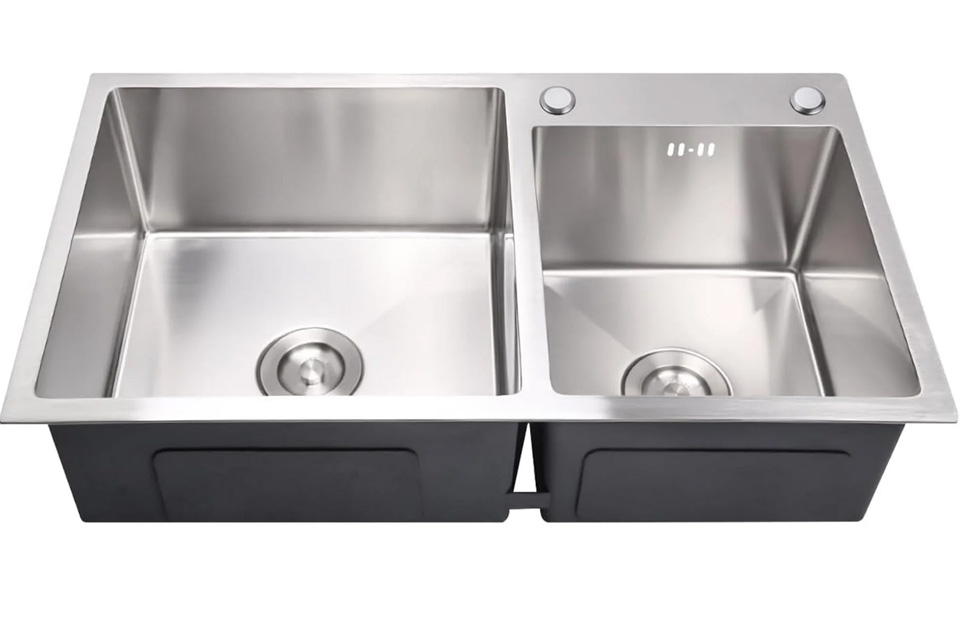
Pros and Cons of 20 Gauge Stainless Steel Kitchen Sinks
Why people still choose 20 gauge stainless steel sinks
20 gauge still has its place in the market. It’s not “wrong”. It just suits different scenarios:
- Better for very tight budgets For entry-level projects, some builders and landlords only care that “it’s stainless, it looks ok”. 20 gauge can tick that box without pushing up the project budget.
- Lighter and easier to handle A 20 gauge sink is lighter, so one installer can move and place it more easily on site. For drop-in models this is quite handy.
- Good enough for light-use spaces In guest kitchens, break rooms, or rental units with low cooking intensity, 20 gauge can still work fine for years if users are not too rough.
You can see this positioning in items like the single bowl 20 gauge stainless steel drop in kitchen sinks. It’s a straightforward option for projects that need simple function and aggressive price.
Limitations of 20 gauge sinks
- Easier to dent if a heavy pot hits the bowl edge.
- More “ring” noise when water hits the surface or dishes fall.
- In some cases the deck can flex a bit when you install a heavy faucet, which doesn’t look great to picky users.
For serious home cooks or brand owners who want fewer returns and better review score, 20 gauge is usually not the hero product. It’s more like a “filler” SKU in the catalogue.
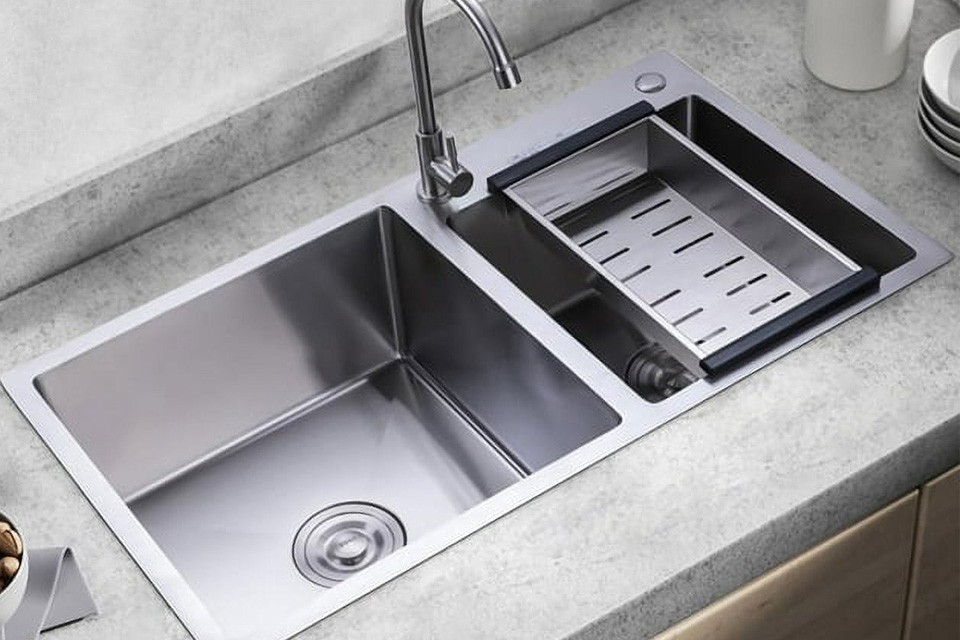
Real-World Scenarios: When 18 Gauge Wins, When 20 Gauge Is Enough
Let’s look at a few common B2B scenes.
Main family kitchen with heavy cooking
If your target buyer is a family that cooks every day, runs big pots, and sometimes drops things in the bowl, 18 gauge is almost always the better call.
Pair an 18 gauge bowl with a farmhouse front or workstation design, like our best stainless steel farmhouse sink apron front kitchen sink, and you get a strong hero SKU for both retail shelves and online listings.
Here the pain points are clear:
- They dont want dents after one year.
- They care about water noise because the kitchen is open to the living room.
- They need a sink that still looks “new” on photo even after long use.
18 gauge handles these points much better.
Rental project, basic renovation, or guest kitchen
If you supply for rental apartments, student housing, or small guest kitchens, end-users may not cook heavy. The developer mainly cares about cost per unit and standard spec.
In this scenario, a 20 gauge drop-in model can be enough, especially if you combine it with sound-dampening pads and a decent faucet. You still offer stainless look and corrosion resistance, but you keep the budget under control for the owner.
Bar, prep, and special counters
For bar and prep areas, people often mix gauges depending on the role:
- 16–18 gauge for heavy use or chopping boards on top
- Maybe 20 gauge for a small auxiliary bowl
On SUSINKS we cover these needs with options like the quality stainless steel undermount bar sink wholesale vendor and the stainless steel undermount workstation sink rv kitchen sink. This mix helps you build a full range for one client without changing supplier.
How Gauge Affects Your Business: OEM/ODM, Returns, and Reviews
If you’re a brand owner, platform seller, or distributor, gauge is not just a technical term. It touches your numbers, even if we don’t write them here.
- Less after-sales pressure Thicker 18 gauge sinks are less likely to arrive bent or go out of shape during installation. That helps you cut down claims and “sink is too thin” reviews.
- Better sell-in story for buyers When you talk with a retail chain or an interior design firm, “18 gauge 304 with full undercoating” sounds professional and shows you understand the category, not just trading.
- Clear product ladder You can build an easy ladder: 20 gauge for entry-level, 18 gauge for mid-high, and maybe 16 gauge as flagship. This makes it simple for sales teams and category managers to position each SKU.
At SUSINKS, we work with retailers, OEM/ODM brands, cross-border e-commerce sellers, distributors, and design studios. With more than 30 years in sinks and faucets, we understand that gauge choice is a small line on the spec sheet but a big part of the user experience. Our main product range and solutions for different projects are built around this idea.
So, Which Stainless Steel Sink Is Better: 18 Gauge or 20 Gauge?
If you need one simple answer for your next catalog or sourcing brief:
- For main kitchens, premium projects, and long-term brand building, 18 gauge is better.
- For very tight budgets, light-use spaces, and basic rental projects, 20 gauge can still work.
In real work, the smartest way is to offer both gauges, but position them clearly for different scenarios and end-users. That way you don’t lose price-sensitive deals, but you also protect your reputation with more solid 18 gauge hero products.
If you want to develop your own line of stainless steel sinks — with custom gauge, bowl layout, accessories, and branding — SUSINKS can support OEM and ODM from idea to full container, for retailers, brand owners, cross-border sellers, distributors, and project buyers. You can start from our top stainless steel sinks manufacturer in China home page and talk with our team about your gauge strategy and next sink collection.
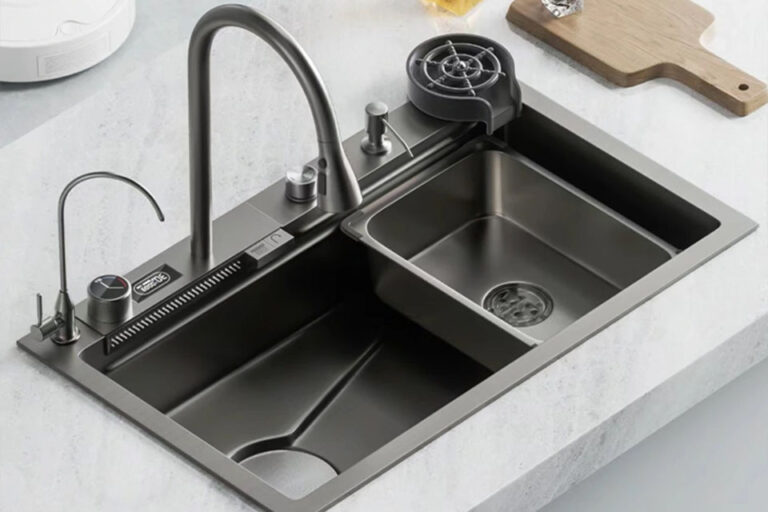

Stainless Steel Sinks Manufacturer
Leading Chinese stainless steel sink maker for kitchen, bathroom, bar and RV; premium single & double bowls, OEM/ODM services for clients and brands worldwide!
Quick Links
Products
Contact
© 2025 China Kitchen Sink | Stainless Steel Sinks Manufacturer