-
1st Floor, No.89 Maqian Road, Sanxiang Town, Zhongshan City

How To Choose a Good Quality Stainless Steel Kitchen Sink
Choosing a stainless steel kitchen sink looks simple, but when you start shopping, the specs and models make your head a little crazy. Gauge, SUS304, single bowl, farmhouse, nano coating… it’s a lot.
If you buy for a brand, a project, or a platform store, a wrong sink is not just a small mistake. It means returns, bad reviews, and extra work for your supply chain team. Let’s walk through how to judge a good quality stainless steel kitchen sink in a way that works for real life and real orders.
SUSINKS has been doing sinks and faucets for around 30 years, so we also see these pain points every day from OEM and ODM clients.
Table of Contents
Understanding Stainless Steel Grades for Kitchen Sinks
The first thing to check is stainless steel grade. Many buyers only look at size and style, but grade decide if the sink will rust or not in a few years.
For kitchen sinks, the classic choice is SUS304 (also called 18/8 or 18/10 stainless steel). It has enough chromium and nickel to resist corrosion from detergents, food acid, and daily cleaning. For most home and light commercial kitchens, 304 is already very good quality.
For special projects near the sea or with more aggressive water, some clients ask for 316 stainless steel. It has extra molybdenum and gives better resistance to chloride, but the cost is higher, so it’s more for special cases, not every SKU.
When you talk with your supplier, don’t just ask “stainless or not”. Ask directly:
- Is this sink SUS304?
- Do you have material test report for this batch?
- Is the whole bowl 304, or only top panel?
On projects where you want stable quality, a custom 304 undermount from a factory like SUSINKS is much more safe than some “unknown steel” offer that only looks cheap on the sheet.
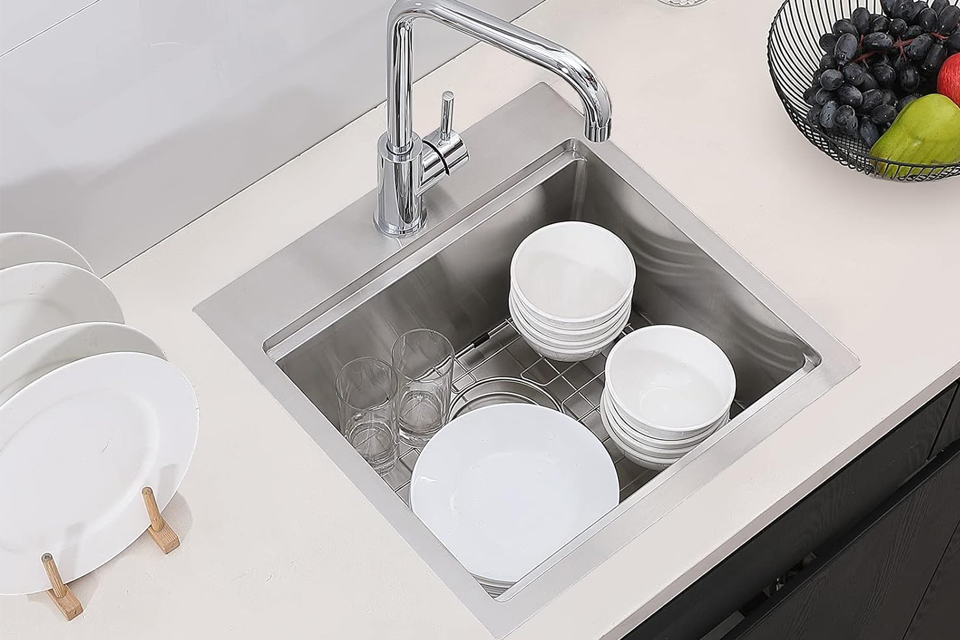
Why Sink Gauge Thickness Matters for Durability
Next keyword is gauge thickness. This is real “industry talk” that many end users don’t know, but buyers should know very well.
Simple rule:
- Lower gauge = thicker steel
- Good kitchen sinks are usually 16–18 gauge
Thicker sinks:
- Don’t dent so easy when a heavy pot falls
- Feel more solid when you touch the rim
- Vibrate less and help with noise control
For example, a 16 gauge single bowl like this topmount 16 gauge stainless steel single bowl kitchen sink is popular with clients who want a stronger, more premium spec.
If your project needs undermount style, a model such as an undermount 16 gauge stainless steel single bowl kitchen sink gives that “heavy duty” feeling, even before installation.
In some entry-level projects, 18 gauge is also ok. But when you go thinner than that, the sink starts to feel “tinny”. For B2B buyers, this usually means more complain from end customers later.
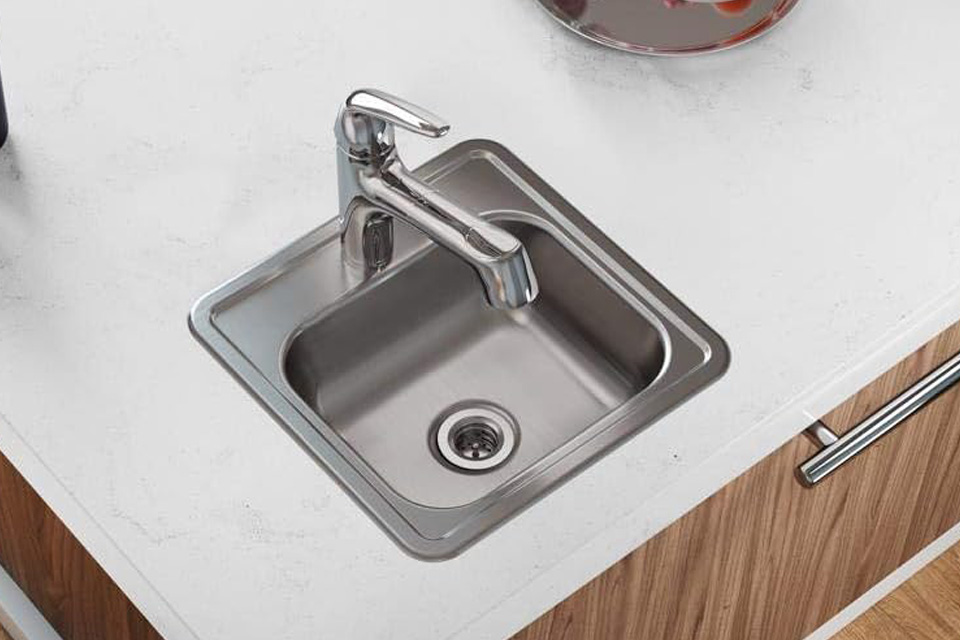
Noise Reduction in Stainless Steel Kitchen Sinks
Open kitchens are common now. If your sink is too noisy, the whole family will complain when someone wash dishes.
A quiet stainless steel sink depends on two main parts:
- Gauge thickness – 16 and 18 gauge are more quiet than very thin material.
- Sound-deadening design – this is the “hidden spec” under the bowl.
When you check a sample, turn it upside down and look for:
- Large sound pads on bottom and sides
- Undercoating (spray or coating layer) covering the bowl
These details absorb vibration from running water, dishes, and garbage disposals. Some buyers ignore this, but when you install 200 pieces in one apartment project, the difference is really big. The water sound will be more quiet, not so noisy like cheap sink.
When you write your own product page, use clear words like “thick sound-deadening pads” and “anti-condensation undercoating”. These phrases speak to both end users and purchasing managers.
Choosing the Best Stainless Steel Sink Finish
Finish is not only “looks”. It also affects daily cleaning and how fast small scratches show.
Common finishes for stainless steel kitchen sinks:
- Brushed / satin finish
- Soft, matte look
- Hides tiny scratches and water marks
- Very suitable for busy family kitchens and rental projects
- Polished / mirror finish
- Shiny, modern style
- Shows fingerprints and swirls more quickly
- Needs more frequent cleaning
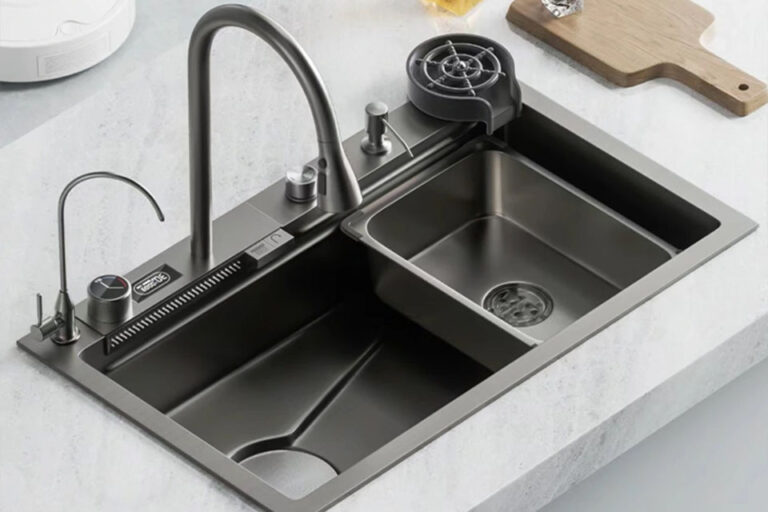
You can also offer PVD or nano coated finishes for upgrade projects. For example, a black nano stainless steel sink gives strong visual impact and fits modern kitchen design. A SKU like nano black 16 gauge stainless steel single bowl kitchen sink targets this segment: design-focused buyers who still want 16 gauge thickness.
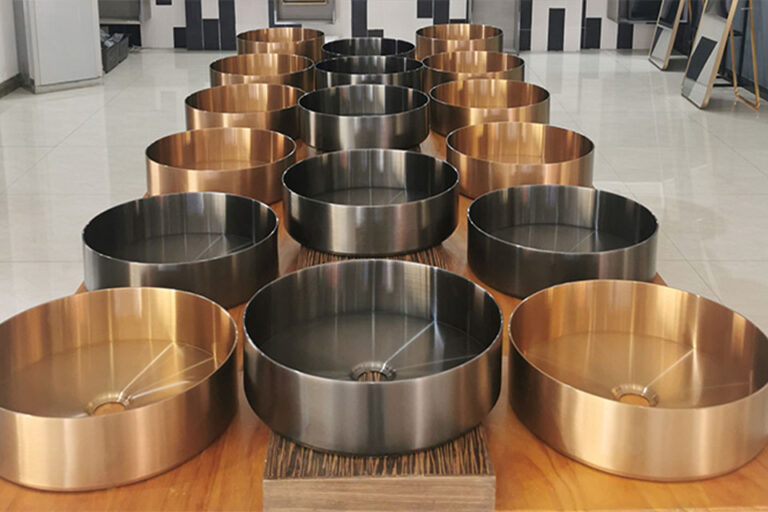
For wholesalers and brand owners, it’s easy to build a small series: brushed steel + nano black + maybe gold tone. Same bowl, different coatings, more SKUs with low development cost.
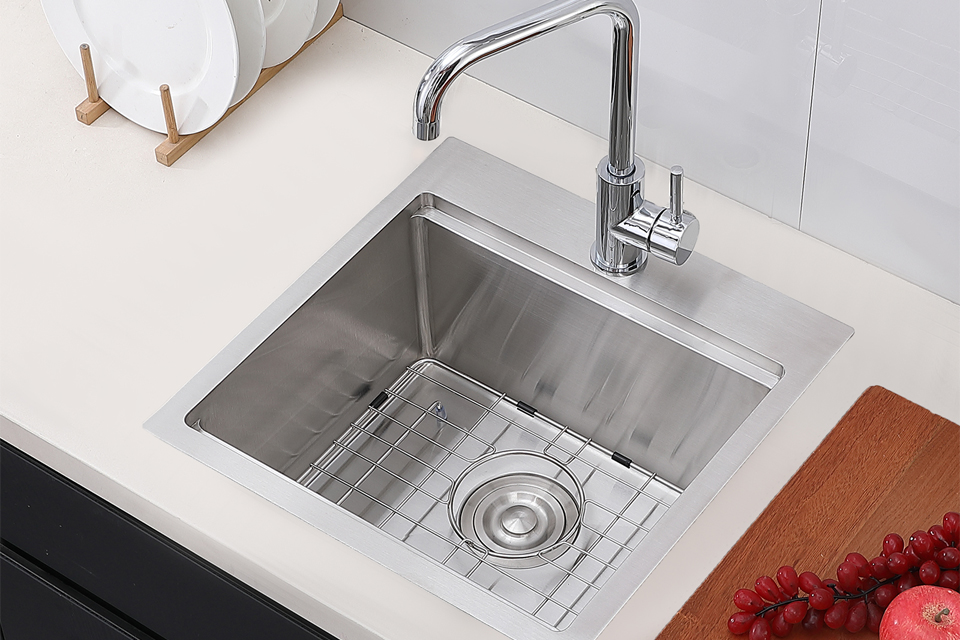
Bowl Configuration and Sink Size for Your Kitchen Workflow
A good quality sink is not only material. It must also match the workflow in the kitchen.
Typical layouts:
- Single bowl sinks
- Large, open area
- Great when users wash big pots, baking trays, or wok
- Double bowl sinks
- Two zones (for example wash + rinse, or dirty + clean)
- Very practical for families who cook every day
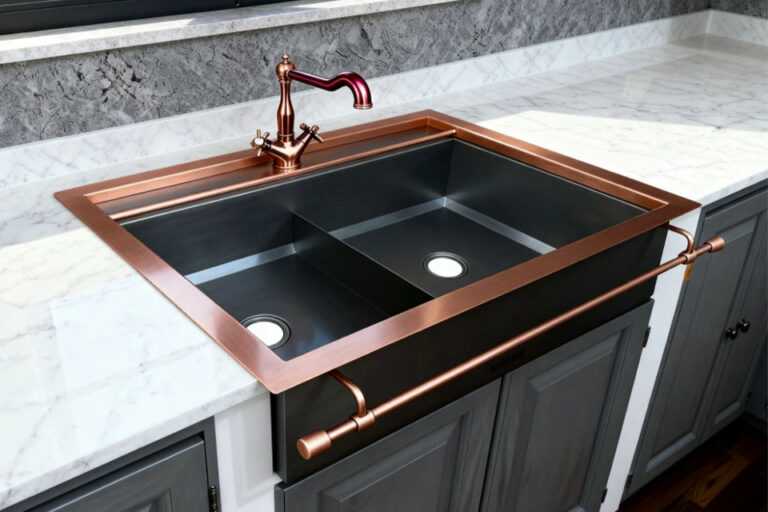
For OEM clients, double bowl undermount is a strong, evergreen spec. A model like an undermount double bowl stainless steel kitchen sink factory can be customized with different sizes, radii, and accessories for different markets.
Also consider:
- Length and width – fit the cabinet and countertop cutout
- Depth – 9–10 inch is common for deeper washing
- Corner radius – tighter R10 corners look more modern, bigger radius is more easy for cleaning
When you discuss a new project with SUSINKS, tell your sales engineer about the main use scenarios: small apartment, big villa kitchen, rental units, RV, etc. It helps us match the right bowl layout and dimensions directly, so you don’t waste time on the wrong spec.
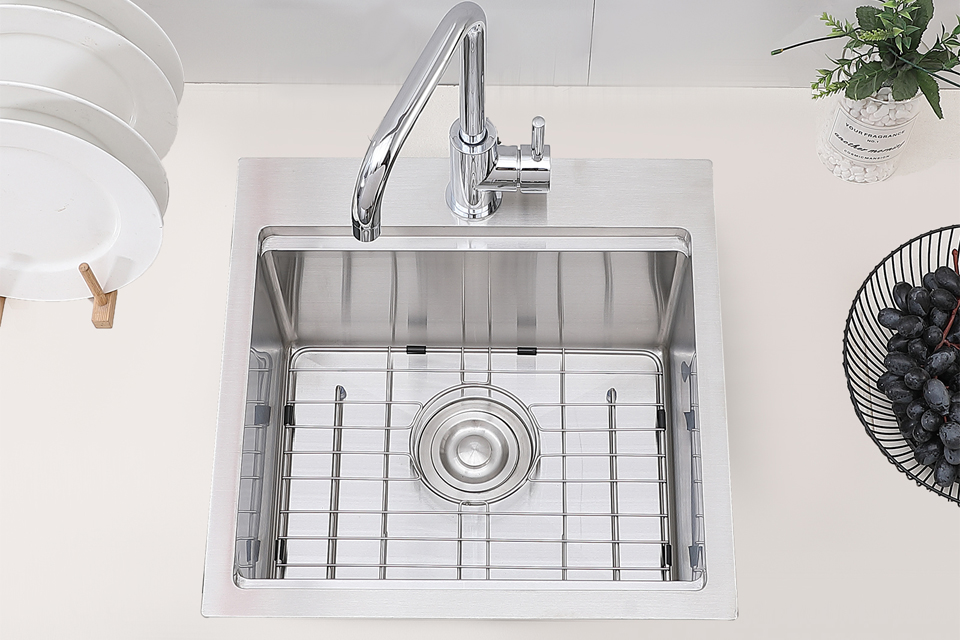
Installation Types for Stainless Steel Kitchen Sinks
Installation type is another key keyword for both SEO and real user experience: topmount, undermount, farmhouse.
- Topmount (drop-in) stainless steel kitchen sinks
- Sit on top of the countertop
- Easier to install and replace
- Good for laminate or simpler renovation jobs
- Undermount stainless steel kitchen sinks
- Mounted from below
- Clean look, you can just wipe crumbs straight into the bowl
- Usually used with stone, quartz, or solid surface countertops
- Farmhouse (apron front) stainless steel kitchen sinks
- Exposed front panel
- Strong design element, becomes a focal point in the kitchen
If your client wants a strong design statement, you can offer a model like best stainless steel farmhouse sink apron front kitchen sink. For more standard projects, double bowl undermount or topmount is still the main volume.
Extra Features That Show a High Quality Stainless Steel Sink
Some details quickly show if a sink is “entry level” or “high spec”:
- Smooth, even brushing on the surface
- Consistent welding on corners, no sharp edges
- Well-designed slope to the drain, not too flat
- Optional workstation accessories like colander, bottom grid, or cutting board
- Overflow position and waste kit that match local plumbing habits
For example, when you check a sample, run your hand along the rim. If it feels rough and thin, that’s usually a “cost down” product. If it feels solid, smooth, and heavy, it’s more likely a good quality stainless steel kitchen sink that will survive heavy use.
You don’t need to use very difficult English on the product page. Simple phrases like “strong welding”, “fast drainage”, and “easy-clean corners” already talk to the buyer’s real pain points.
Data Table: Key Specs to Check Before You Confirm the Order
You can use a simple checklist like this when you compare different offers:
| Checkpoint | Good Quality Target | What It Means in Real Use |
|---|---|---|
| Steel grade | SUS304 for most projects | Strong corrosion resistance, less risk of rust complains |
| Gauge thickness | 16–18 gauge | Feels solid, less denting, less vibration |
| Finish | Brushed / satin or nano coated | Hides micro scratches, easier to maintain |
| Noise control | Sound pads + undercoating | More quiet in open kitchens, better user feeling |
| Bowl layout | Single or double bowl based on scenario | Fits daily washing habits, less “why this sink so small” feedback |
| Installation type | Topmount / Undermount / Farmhouse | Matches countertop and design style |
| OEM options | Custom size, corner radius, accessories | Easier to create your own product line and brand identity |
This kind of table also works very good inside your product detail page for B2B clients. It shows you really understand the sink, not just sell one picture.
Working With a Stainless Steel Sink Manufacturer for OEM and ODM Projects
For retailers, distributors, and platform sellers, a trustable factory partner is as important as the product itself.
SUSINKS is positioned as a top stainless steel sinks manufacturer in China, with focus on OEM and ODM for:
- Brand owners and producers
- Cross-border e-commerce and platform sellers
- Wholesalers, distributors, and trading companies
- Design studios and project contractors
You can start from our stainless steel sink products and then work with the team to adjust size, gauge, finish, and accessories. For example, change a standard double bowl into a special 60/40 split, or take an existing undermount model and make it apron front.
If you need more deep customization, our engineers can support you with drawing, sampling, and small tweaks so you don’t need to explain everything again and again. For stable long-term projects, that saves a lot time and headache.
To know more about the factory, you can check the story and capability page at about SUSINKS. Here you see production lines, QC flow, and also understand why some clients stay with us for many years.
Final Checklist Before You Say “Yes” to a Sink
When you choose a good quality stainless steel kitchen sink for your next catalog or project, run through this short list:
- Confirm SUS304 or higher with real test report.
- Choose 16–18 gauge based on your market positioning.
- Decide on finish (brushed, nano black, etc.) to match your brand style.
- Pick bowl layout and size that really fits the user scenario.
- Match installation type with countertop and design plan.
- Check noise control and welding quality on real samples.
- Make sure your manufacturer can handle OEM / ODM details and stable lead time.
Do this, and you will avoid most common problems: rust, noise, thin feeling, and mismatch with real kitchen usage. And your brand, store, or project will look more professional in front of your own customers.

Stainless Steel Sinks Manufacturer
Leading Chinese stainless steel sink maker for kitchen, bathroom, bar and RV; premium single & double bowls, OEM/ODM services for clients and brands worldwide!
Quick Links
Products
Contact
© 2025 China Kitchen Sink | Stainless Steel Sinks Manufacturer